


When someone you care about is diagnosed with cancer, your life may change too.
You may find yourself accompanying them to appointments, helping them make decisions, preparing meals, managing medications or simply being there to listen. While every caregiving experience is different, you do not have to have all the answers from the start.
Caregiving is a journey that develops over time. Remember that you are not expected to do everything on your own.
What is a caregiver?
A caregiver is anyone who provides practical, emotional or physical support to someone living with cancer.
Caregivers can be:
- A spouse or partner
- A parent
- A Child
- A sibling
- Another family member
- A close friend
Some caregivers provide support every day, while others help only occasionally. Every contribution is valuable.
How you may support your loved one
Depending on their needs, you may help with:
Emotional support
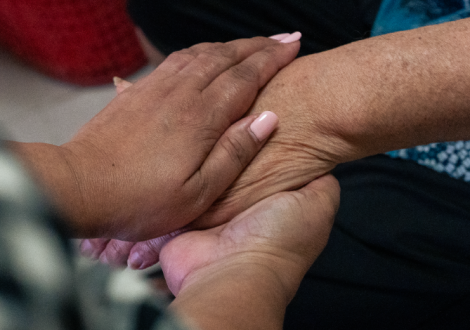
Sometimes, the most meaningful support is simply being present. Listening without judgement, offering reassurance and respecting your loved one’s wishes can help them feel less alone.
Medical appointments
You may accompany your loved one to appointments by:
- Taking notes during consultations
- Helping them remember questions
- Clarifying information afterwards
- Assisting with treatment decisions where appropriate
Daily living
Treatment can make everyday activities more difficult. You may help with:
- Preparing meals
- Grocery shopping
- Housework
- Childcare
- Transportation
- Collecting medications
Practical matters
You may also assist with:
- Managing appointments
- Organising medical documents
- Understanding financial assistance
- Coordinating care with other family members
Remember that you do not have to manage everything yourself. It is okay to ask for help from other family members or friends.
Looking after yourself
Many caregivers naturally put their loved one’s needs before their own. However, caring for yourself is not selfish—it is an important part of being able to care for someone else.
Try to:
- Get enough rest whenever possible.
- Maintain your own medical appointments.
- Continue activities that help you relax.
- Accept help when it is offered.
- Share responsibilities with others where possible.
Looking after your own physical and emotional wellbeing allows you to continue supporting your loved one more effectively.
Recognising caregiver stress
Caregiving can be rewarding, but it can also be physically and emotionally demanding.
You may experience:
- Fatigue
- Anxiety
- Feelings of guilt
- Frustration
- Loneliness
- Difficulty sleeping
- Feeling overwhelmed
These feelings are common and do not mean you are failing as a caregiver. If caregiving begins to affect your wellbeing, reach out for support early.
Building your support network
You do not have to carry the responsibility alone. Support may come from:
- Family members
- Friends
- Healthcare professionals
- Community organisations
- Caregiver support groups
Sharing responsibilities and asking for help can reduce stress and prevent caregiver burnout.
Remember that every caregiving journey is different
Every person’s cancer journey is unique, which means every caregiving experience will be different too.
Some people require intensive support, while others remain largely independent throughout treatment.
Try not to compare your experience with other caregivers. Focus instead on understanding your loved one’s changing needs and having open conversations about how you can best support them.
How Singapore Cancer Society can support caregivers
Caring for someone with cancer can feel overwhelming, but you do not have to do it alone.
Singapore Cancer Society provides programmes and services that support both patients and caregivers where appropriate. Whether you are looking for practical advice or someone to talk to, we are here to support you throughout your caregiving journey.
Continue reading
Every cancer journey is different. Depending on your loved one’s needs, you may find these articles helpful:
Communicating as a Family
Good communication can help families navigate cancer together.
Organising Care and Navigating the Healthcare System
Learn how to coordinate care, manage appointments and navigate the healthcare system.
We're here to support you
You don’t have to do it alone.
Singapore Cancer Society offers services and programmes to support caregivers at every stage of the cancer journey.
Explore related support:
- 10 months Ago
Completing cancer treatment is an important milestone, but recovery often takes time. While family and friends may expect life to return to normal, many people...