

An incurable diagnosis changed him: “I started living again.”
- by scs_admin
- February 5, 2024
- 5 Min Read
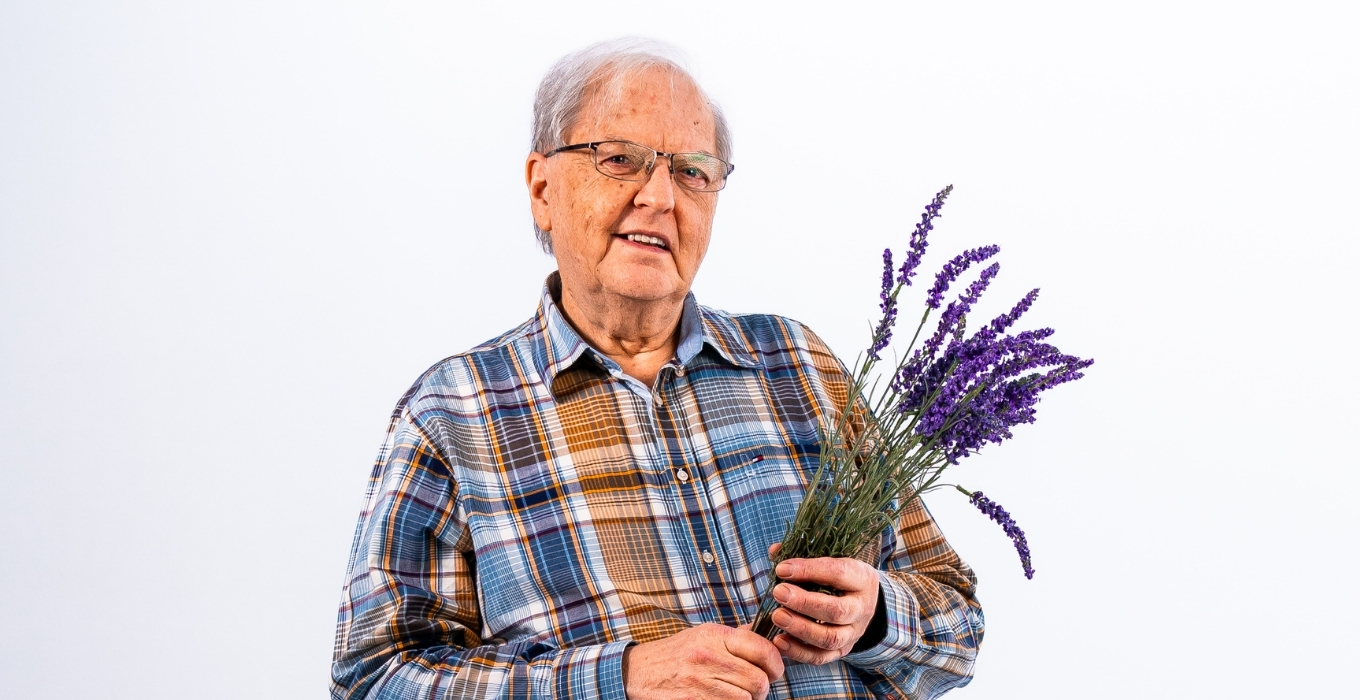
“Your cancer is incurable.”
Remarkably, those were the words Michael John Rollings needed to hear.
Surgery, radiotherapy, the chemical engineering consultant had done it all. And yet, Michael continued to see rising PSA levels, a marker used to review the effectiveness of prostate cancer treatments.
Hearing from his doctor that he would never be able to cure his advanced prostate cancer, but simply contain it, was a transition point. It set him free.
“I started living again,” he said simply. “I stopped chasing a dream of a cure. I thought: ‘This is it. Get on with it.’ Since then, I’ve been getting on with it!”
Michael, who was first diagnosed in 2013, turns 75 this year. One might assume, therefore, he has been “getting on” just fine.
He explains that when it comes to battling the disease, mindset matters. He is used to reframing his situation. “I’m not dying from cancer. I am living with cancer,” he says firmly.
An Accidental Discovery
Michael, who is originally from Australia, said he may not have discovered his cancer if not for a few chance words at the GP.
When accompanying his wife to the clinic, the GP casually asked him how he was. Michael said he was fine but mentioned offhand that he often had a slow start to urination at night. That was probably “normal,” he supposed.
The GP disagreed and insisted on taking a blood sample. When that came back, the results were concerning enough for Michael to see a urologist for a biopsy. “Lo and behold, prostate cancer,” he recounts wryly.
His first question was how long he had to live.
The doctor assured him that he had plenty of time. But as he went deeper and deeper into treatment, that window of hope dwindled. Today, Michael who resides permanently in Singapore, has accepted his situation, and wants to focus on living life to the fullest.
Of course, it wasn’t always smooth sailing. One of the side effects he experienced from his treatment was incontinence, which ruled his daily life for a while. He had to wear incontinence pads and change them every two hours or risk an embarrassing leak in public.
The constant vigilance for nearby restrooms and the need to frequently check the time became a trying part of his routine. He also had to plan his activities for the day because he leaked more when he was active.
But ever optimistic, Michael says this experience lets him empathise with those who go through the same thing. “I’m able to share my experience with other cancer survivors.”
In the Trenches Together
Michael likens cancer as going to war.
“You hear about men in the trenches. They wouldn’t be friends in normal times, but they form life-long bonds during war because they’re in the same predicament, helping each other survive.”
This is no different from cancer. “Only people with cancer know what it’s like. Other people sympathise, but cancer patients empathise,” he stresses. “It forms a bond that’s different from normal relationships.”
One of Michael’s best decisions was to join the Walnut Warriors, a prostate cancer support group under the Singapore Cancer Society (SCS). During his first meeting, he walked in expecting to see a room full of cancer survivors, and doctors and nurses handing out information. Instead, he saw a grand total of 10 men!
Yet, this intimate gathering left an impression. He enjoyed the sharing and the down-to-earth nature of his fellow cancer warriors and resolved to come back.
That was almost nine years ago in 2015. Since then, the Walnut Warriors has grown. Michael has also become an active volunteer with SCS, serving as the vice-chair and later as the chair of the prostate cancer support group committee for a total of seven years. He has also been a patient ambassador with SCS for six years, befriending and supporting other cancer patients.
He remembers how hard it was to find a support group at the beginning. “I also wasn’t clear if they would be open to non-citizens,” he says, adding that he was a Singapore permanent resident at the time of his first Walnut Warriors meeting.
This memory drives Michael to helps others find a supportive environment. He estimates that only a small percentage of prostate cancer survivors in Singapore know about SCS and its support groups. “There are lots of men out there with cancer coping however they can,” he emphasises.
Parting Words
When asked about the most transformative moment in his cancer journey, Michael goes back to the moment he learnt his cancer was incurable.
It marked his transition from hoping for a cure to living with cancer. There’s a certain level of pragmatism when he speaks about taking the disease in his stride.
“You can give up or get on with it. You may have to adapt your lifestyle to suit. You can’t do everything you used to, but there’s plenty of things you can do,” he says briskly.
When asked about his message to other cancer patients, Michael sums it up beautifully: “Cancer may kill me, but I don’t have to stop living.”