

When Life Pauses in a Fast-Forward World: Cancer and the Young, Single Working Adult in Singapore
- July 14, 2026
- 6 Min Read
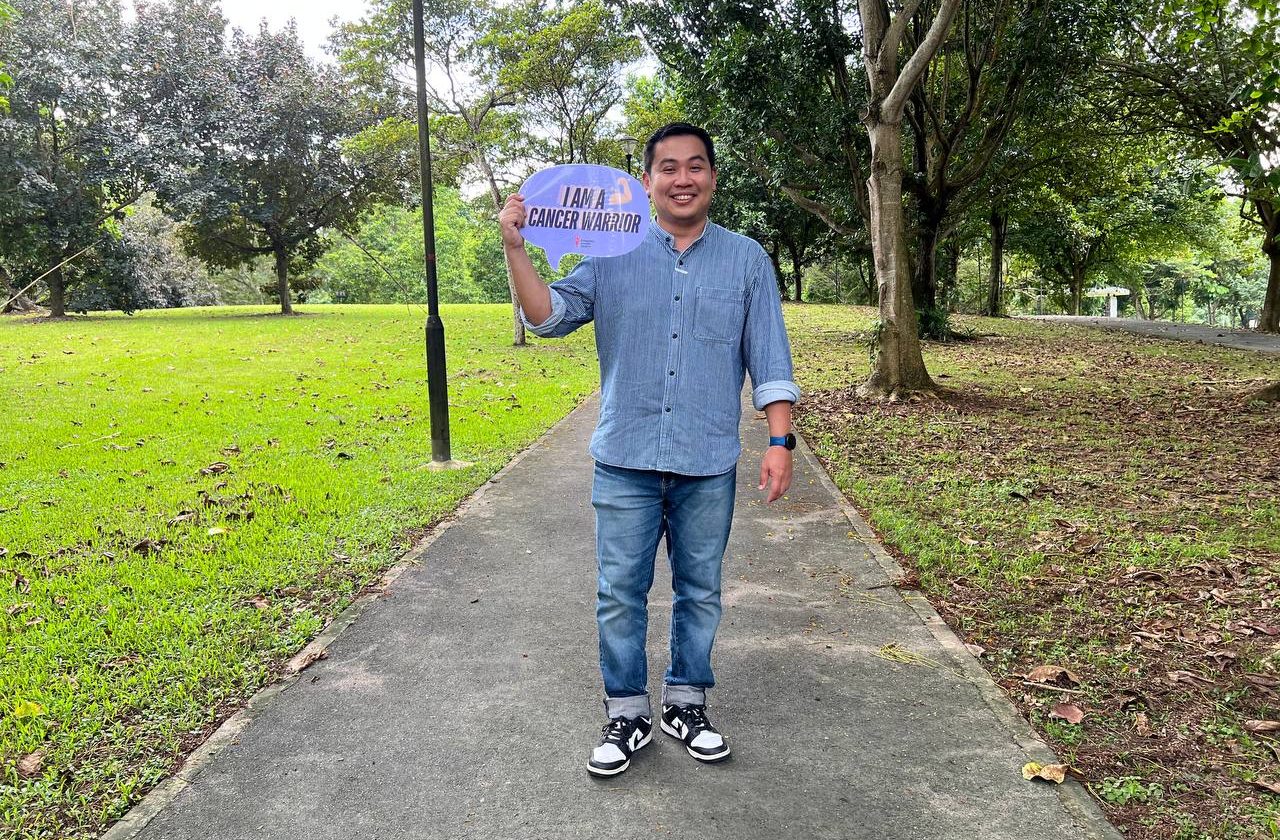
By Ambrose Lee, as told to SCS
In Singapore, life feels like a constant race, especially for young single adults like me—career milestones, savings goals, relationship timelines. At 36, I was running that race too, chasing sales targets by day and gym sessions by night, until stage 3 colorectal cancer knocked me off track.
Treatment was gruelling, but I survived. I thought I could slowly get back to my life.
Then came the relapse.
A Collision of Two Realities
Before cancer struck, I was a typical salesperson: active, ambitious, and constantly striving to be the best performer. I worked hard, exercised often, and played football with friends. I felt like I was at the peak of my life. But with one diagnosis, everything changed.
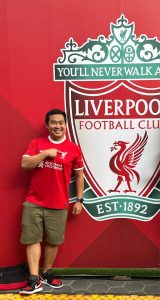
Ambrose is an avid Liverpool FC fan
It felt like the ground had opened up beneath me—emotionally, financially, socially, and professionally. While my friends were climbing the corporate ladder, planning weddings, or buying homes, I was spending hours in waiting rooms and hospital wards.
I felt like I was standing still while the world moved forward. Some days, it felt like I had fallen off the map entirely.
It’s not just about missing out, it’s feeling like you’ve been disqualified from the race I once ran confidently.
Career, Interrupted
A cancer diagnosis in your 30s collides head-on with your sense of independence and identity. Treatment schedules clash with meetings. Energy levels crash unpredictably. Taking medical leave felt like admitting weakness.
In Singapore’s fast-paced work culture, I worried about being seen as less capable or overlooked for opportunities. Eventually, I was forced to step away from my role entirely due to the nature of my work. Sacrificing income and momentum was difficult, but what hurt more was the blow to my sense of purpose.
However, with time, I realised that taking a step back gave me space to rethink what “success” really means. Cancer stripped away the rush and forced me to question what I was truly chasing. Success, I’ve learned, isn’t just about performance, but also resilience, balance, and the courage to rebuild life at your own pace.
Financial Pressure in a Costly City
Singapore is one of the most expensive cities in the world, and cancer adds another layer of financial strain. Even with insurance, the first round of treatment already took up a huge chunk of my savings. Surgery, chemotherapy, follow-up scans quickly drained resources I had been building for the future.
When my cancer relapsed, my financial stress intensified. My focus shifted from saving for milestones to simply making my funds last while facing uncertain recovery.
Beyond bills, the quiet stigma around cancer affects job security too. Once colleagues learned about my diagnosis, I sensed a shift: opportunities dried up and career progression slowed. Some coworkers became overly cautious, while others withdrew, unsure of how to engage. The hardest part was feeling people’s perceptions change. I wanted to be treated like myself, not as “the colleague with cancer.”
The same thing happened during job interviews after treatment. On paper, I had the experience and the drive. But once my medical history surfaced, the tone in the room changed. Offers disappeared. No one said it directly, but the assumption was clear: Someone with cancer is a liability.
For those without strong financial safety nets, cancer doesn’t just test your body—it tests every aspect of your stability.
The Quiet Struggle of Being Single
Facing cancer as a single adult is a unique kind of solitude.
I faced scans, treatments, and the uncertainty of relapse largely on my own. Friends were supportive, but they couldn’t always understand what it meant to face mortality at an age when you’re supposed to be at your ‘prime’.
It was isolating to watch them get married, post pictures of family life, or plan their next chapter while I was focused on simply surviving.
I often hesitated to reach out, not wanting to “bother” anyone or sound like a broken record of bad news. It can feel incredibly lonely not having a trusted partner to share my burdens with.
Yet, being single also taught me self-reliance and honesty. It pushed me to seek connection beyond traditional relationships, and to find community in shared experiences.
Navigating Relationships with a Diagnosis
Cancer changes how people see you, and sometimes how you see yourself. Certain friends step up in unexpected ways, while others drift away, unsure how to respond. As someone with a smaller support network, I felt those shifts keenly.
Over time, I learned that being open about my story helped bridge that gap. It reminded me that my diagnosis doesn’t define me. Cancer may have altered my path, but it hasn’t taken away my right to love, friendship, or belonging.
Finding My Community
I came across Singapore Cancer Society (SCS) during a roadshow and decided to reach out. Today, I’m part of the Semicolon support group—a space where people like me can share openly, without fear of judgement.
Through SCS, I found not just practical help, but emotional and social support. Besides counselling and financial assistance, being part of a community helped restore my sense of belonging as I began to understand that healing isn’t something you do alone.
At CAmpung Cafe, the SCS Survivorship Centre, and other SCS community spaces, conversations flow easily. We talk about treatment, yes, but also about work, life, and hope. It’s in these ordinary, honest exchanges that I’ve started to rebuild my sense of normalcy.
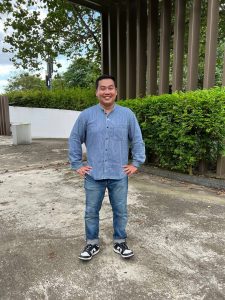
You’re Not Losing. You’re Living Differently
In a society that prizes efficiency and achievement, cancer can feel like an unwanted pause. But I’ve learned that pausing isn’t the same as stopping, but rather a chance to breathe, reflect, and rebuild a life that fits who you are now.
I may not know what lies ahead, but I’m learning to move forward, one steady step at a time. And thanks to the support of communities like the Singapore Cancer Society, I know I don’t have to walk this journey alone.