

Nasopharyngeal Cancer
Introduction
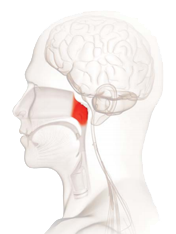
The nasopharynx is the space situated behind our nose and below the brain. It connects our nose to our windpipe. On its sidewall, a tube connects it to the ear.
Nasopharyngeal cancer starts in the cells lining the nasopharynx. A cancerous lump is formed which then invades out of the nasopharynx into the brain, ear and the jaw. These cells can also invade the lymph channels and blood stream and spread to lymph glands and other distant organs such as the bones and liver.
Risk Factors
Consumption of salted vegetables, fish, and meat is associated with nasopharyngeal cancer. Studies show that foods such as salted soy beans, canned pickled vegetables, Szechuan vegetables, and salted vegetables are high risk foods. The cooking of such foods releases toxic substances called nitrosamines into the fumes that are inhaled.
- The Epstein-Barr virus has been found to be associated with nasopharyngeal cancer.
- Genetic factors may play an important role in nasopharyngeal cancer. Blood tests can identify certain people who are at risk.
Signs & Symptoms
Nasopharyngeal cancer often does not show any symptoms in the early stages. Some common symptoms may include:
- A painless lump in the neck is the most common symptom (80%). This could be a swollen lymph node infiltrated by cancer cells.
- Nose bleeding, blocked nostrils, excessive mucus secretion, and blood in saliva.
- Loss of hearing, ear pain, buzzing noises, and aural discharge.
These symptoms may be due to other medical conditions. However, if they persist, consult a doctor for future testing.
Early Detection and Screening
There are no simple non-invasive examinations or blood tests that can reliably detect nasopharyngeal cancer at an early stage.
Diagnosis
Medical history and physical exam:
- Endoscopic Examination
A flexible fibro-optic tube with a light at its tip is introduced via the nose. The nasopharynx is visually examined and any suspicious lump is biopsied, i.e. a piece of tissue from the back of the nose is removed for examination under a microscope to confirm if cancer is present. - CT Scan of Head and Neck
This is a special X-ray which can show the cancer and the extent of its spread. This test is used in planning treatment. - Blood Tests
This determines the level of antibodies against the Epstein Barr virus. If the level is high, a diagnosis of nasopharyngeal cancer is suspected. - Chest and Abdominal CT Scans, Bone Scans
These are performed to determine whether cancer has spread to other parts of the body. - MRI Head and Neck and PET-CT scans
Increasingly used as alternatives to CT scans.
Treatment
Radiotherapy
Nasopharyngeal cancer responds well to radiotherapy. Hence, the use of radiotherapy or high energy x-rays forms the mainstay of treating nasopharyngeal cancer. Often this cancer requires a high dosage of x-rays to completely eradicate the cancer cells. If the cancer is detected early, radiotherapy may cure it. X-rays are delivered to the back of the throat and sometimes to the lymph glands in the neck. Temporary side effects of radiotherapy include redness of skin of the neck, reduced saliva production which causes dryness of the mouth and throat, mouth ulcers, and the loss of taste and appetite.
Surgery
The role of surgery is limited in nasopharyngeal cancer treatment because it is very difficult to surgically remove it without injuring vital neighbouring organs. If nasopharyngeal cancer recurs in an area which had received radiotherapy, surgery can be used to remove the recurrence.
Chemotherapy
Chemotherapy is the use of toxic drugs to kill cancer cells. Its role in nasopharyngeal cancer treatment is limited to 2 situations: 1) Advanced nasopharyngeal cancer which has spread to the bones, liver, and lungs, and 2) In combination with radiotherapy to improve the effectiveness of radiotherapy