

Cervical Cancer
Introduction
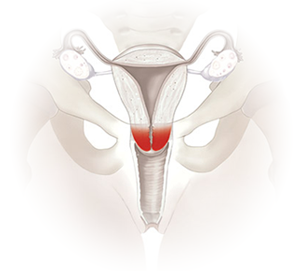
Cervical cancer is the tenth most common cancer among women in Singapore.* It is however a highly preventable cancer because we are able to catch it in the pre-cancerous stages, caused by persistent high-risk or cancer-causing HPV infection using a very reliable and affordable cervical smear test.
All women between the ages of 25 and 69 years old who have ever had sexual activity are recommended to go for their regular cervical screening as part of the national cervical screening programme.
*Singapore Cancer Registry 2023
Risk Factors
HPV infection is very common. Fortunately for most of us, most HPV infections are transient because our immune system will get rid of the infection just like it gets rid of the common flu virus. However, we do know that for some of us, there are risk factors that may allow the HPV to stay longer in our body to cause changes that may increase our risk of getting cervical cancer in future.
-
Cigarette smoking
-
Sexual intercourse at an early age
-
Previous HPV infection or exposure
-
Having multiple sexual partners
-
A history of sexually transmitted infection such as Chlamydia or Gonorrhoea
-
Immunosuppressive conditions such as HIV infection, consuming medication lowering your immune system or receiving organ transplant
Even if you are healthy and you do not have any of the risk factors above, going for your regular cervical screening is still very important because it is not yet possible to guarantee that your exposure to HPV infection will not lead to cervical cancer in the future.
Regular cervical screening will help protect you from this risk.
Signs & Symptoms
Invasive cervical cancer doesn’t usually have any symptoms until the late stages. The signs and symptoms of invasive cervical cancer may include:
Lower abdominal pain or pain during sexual intercourse
Vaginal bleeding after sexual intercourse
Watery, bloody, and foul-smelling vaginal discharge
Irregular vaginal bleeding between periods or after menopause
The stage before cancer called the precancerous stage have no symptoms at all and can only be detected by your regular cervical screening.
This is why regular cervical screening is important because there are effective treatments available for the precancerous stage that will help prevent progression to invasive cervical cancer.
Prevention and Early Detection
There are 2 types of screening test available for cervical screening depending on your age.
Treatment
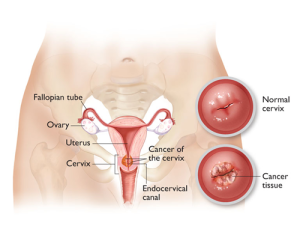
Treatment differs for different stages of cervical cancer.
Pre-cancerous stage*
Precancerous stage is the stage before cervical cancer develops.
Pre-cancerous cells of the cervix may be effectively treated by either ablation techniques (destroying the abnormal cells using heat or freezing) or excision techniques (cutting the abnormal cells out).
To destroy the precancerous cells by ablation, we can use laser vaporisation, cold coagulation (heat treatment) or cryotherapy (freezing treatment).
To remove the precancerous cells from your cervix, we can use a thin heated loop wire, a procedure called Loop Electorsurgical Excision Procedure (LEEP). Another way to remove the precancerous cells is a procedure called cone biopsy. Cone biopsy can be done using laser, a surgical knife or a sharp heated needle.
All the treatments above are very effective in treating precancerous cells on your cervix. However, different women will require different type of treatment to ensure total removal of the precancerous cells and prevention of development of cervical cancer in future.
Your colposcopist will be able to advice you on which treatment is most suitable for you.
Invasive cervical cancer*
For women who go for regular cervical screening, the chances of getting cervical cancer in future is very low.
However, should you be diagnosed with cervical cancer, there are still treatments available for cure.
Treatment for cervical cancer can involve surgery (usually removing your cervix, uterus, fallopian tubes and ovaries), radiotherapy or chemotherapy. Occasionally it can be a combination any of these methods.
Treatment for cervical cancer depends on a lot of factors but two of the most important factor is the stage of the cancer and your overall health. All women with cervical cancer should be seen by a gynaecology oncologists( a gynaecologist specialising in female cancers) to ensure they get the best treatment aiming towards cure.
Your gynaecology oncologist is the best person to advise you regarding the best treatment for you.
Diagnosis
Colposcopy
If you have an abnormal Pap smear or HPV test result, it does not always mean that you have cervical cancer.
An abnormal Pap smear or HPV test result mainly requires you to be referred to another healthcare professional who is usually a specialist in detecting precancerous cells to perform a procedure called colposcopy.
A colposcopist is the specialist that performs the colposcopy.
A colposcopy is an instrument that allows your cervix to be examined in detail under high magnification. The colposcopist will be able to identify possible abnormal areas on your cervix that may indicate the presence of precancerous cells. The colposcopist may want to take a small biopsy of your cervix to check it further.
Endocervical Curettage
This procedure uses a small spoon-like instrument that is passed into the cervical opening (canal) to obtain some tissue for microscopic examination.
Not all women will need this test and your colposcopist will be able to advice you further regarding this.
Cone Biopsy (Conisation)
A large portion of the cervix which has become abnormal is surgically removed for microscopic test. This procedure is performed under local anaesthesia and as a day patient. It can diagnose as well as treat an abnormal smear.