

Stomach Cancer
Introduction
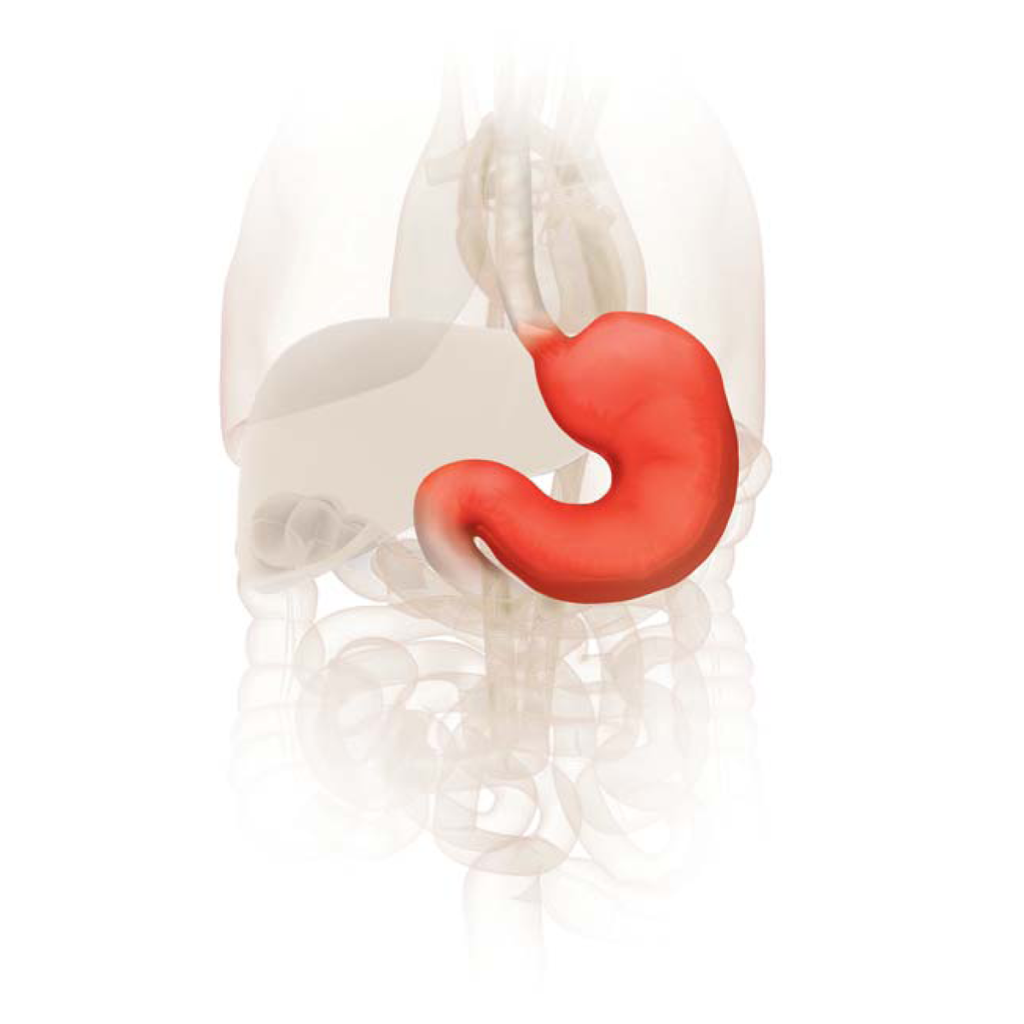
The stomach, like the rest of the body, is made up of billions of little units called cells. The cells have a specific function and they divide in an orderly manner. However, when these cells lose control of their division, a mass of tissue called a tumour is formed. Stomach cancer, also called gastric cancer, is a disease in which malignant cancer cells form in the lining of the stomach.
Stomach Cancer is the 8th most common cancer in men in our local population*. If the cancer is detected early, it is potentially curable. However, more than two-thirds of stomach cancer patients are diagnosed at Stage III or IV.
* Singapore Cancer Registry Annual Report 2023
Risk Factors
While the exact causes of stomach cancer remain unknown, factors that may increase the risk of stomach cancer include:
- Chronic infection with Helicobacter Pylori, a bacterium that lives in the mucous lining of the stomach.
- Dietary factors
- Diet high in smoked foods, salted fish and meat, and pickled foods
- Diet low in fruits and vegetables
- Those with a history of chronic gastritis, which refers to a long-term inflammation of stomach
- Those with a family history of cancer of the stomach
- Tobacco smoking
Signs & Symptoms
Very often no symptoms appear until the cancer is in the advanced stage. This makes early detection difficult. Some symptoms of stomach cancer include:
- Upper abdominal pain or discomfort (Dyspepsia)
- Persistent indigestion
- Heartburn after meal
- Weight loss
- Loss of appetite
- Black stools
- Nausea and vomiting
- Anemia due to blood loss from tumour
You should consider getting yourself examined if you have the above symptoms and especially if they are persistent.
Early Detection and Screening
Screening for stomach cancer is currently not recommended.
Diagnosis
Medical History & Physical Exam
Gastroscopy
This is the most common way to detect any abnormalities in the stomach. During the examination, an endoscope (a long flexible tube with a camera and light at the end) is passed into the stomach to view the inner lining for any growth. Biopsy of the stomach wall can be made to confirm the diagnosis. Patients are required to fast at least 6 hours prior to the procedure, which will last only 10 to 20 minutes. Light sedation may be given to ease any discomfort during the procedure.
Barium Meal X-Ray
A series of x-rays of the stomach after the patient has swallowed a glassful of barium compound which, seen by x-rays, will outline the stomach. A growth can also be seen. This is a safe and simple procedure.
CT Scan of Abdomen
The CT scan is performed to assess for any invasion of the lymph glands, neighbouring organs and the presence of cancer deposits in the liver.
Gastroscopy is usually more accurate than Barium meal X-ray examination. Once stomach cancer is confirmed on biopsy, other tests such as CT scans need to be carried out to assess the extent of spread.
Treatment
Surgery
Surgery is the best form of treatment for cancer of the stomach. If the tumor growth has not spread to other organs, part or whole of the stomach and the surrounding lymph glands are removed via open or laparoscopic (key hole) surgery.
Even in certain patients with advanced incurable stomach cancer, surgery is performed to reduce complications of the cancer such as blockage of the stomach or bleeding from the cancer. In a partial gastrectomy, the lower portion of stomach is removed and the remaining stomach is connected to the small intestine. In a total gastrectomy, the whole stomach is removed and the oesophagus is connected to the small intestine.
Endoscopic Therapy
Endoscopic therapy is only applicable to the early stage of stomach cancer. It removes the tumour via gastroscopy without the need for surgery.
Chemotherapy
Chemotherapy uses drugs to kill cancer cells and slow down the growth of the tumour. The drugs can be administrated through a vein or orally as a tablet. For resected stomach cancers, chemotherapy might be given to reduce the chance of cancer recurrence and to improve the chance of surviving the cancer. The side effects depend mainly on which drugs and the amount administrated.
Radiotherapy
Radiotherapy uses high-energy rays to kill cancer cells in the part of the body that is treated.It is usually administrated after surgery together with chemotherapy to kill very small remnants of the cancer that cannot be seen and removed during surgery. It can be used to alleviate stomach obstructions and stop bleeding from the stomach associated with stomach cancer.